Liverpool Industrial Revolution : The Industrial Revolution The State Knowledge And Global Trade William J Ashworth Bloomsbury Academic / No one could have foreseen the events that overtook our lives in 2020.
Liverpool Industrial Revolution : The Industrial Revolution The State Knowledge And Global Trade William J Ashworth Bloomsbury Academic / No one could have foreseen the events that overtook our lives in 2020.. Liverpool also had its involvement in the atlantic slave trade. The standard of living for the majority of the population was low. The industrial revolution brought the united kingdom into an era of technology and productivity. To keep up with increasing demand, cotton mills sprung up across britain, especially in the north of england. In the long‐running debate over standards of living during the industrial revolution, pessimists have identified deteriorating health conditions in towns as undermining the positive effects of rising real incomes on the 'biological standard of living'.
The history of liverpool can be traced back to 1190 when the place was known as 'liuerpul', possibly meaning a pool or creek with muddy water, though other origins of the name have been suggested. There were over 50 welsh chapels in the city. Birthplace of the industrial revolution thanks in part to its damp climate, ideal for raising sheep, britain had a long history of producing textiles like wool, linen and cotton. Liverpool and manchester, reported infant mortality rates no higher than those of. Manchester was the largest industrial town in the world, and merchants needed to transport lots of cotton and finished cloth.
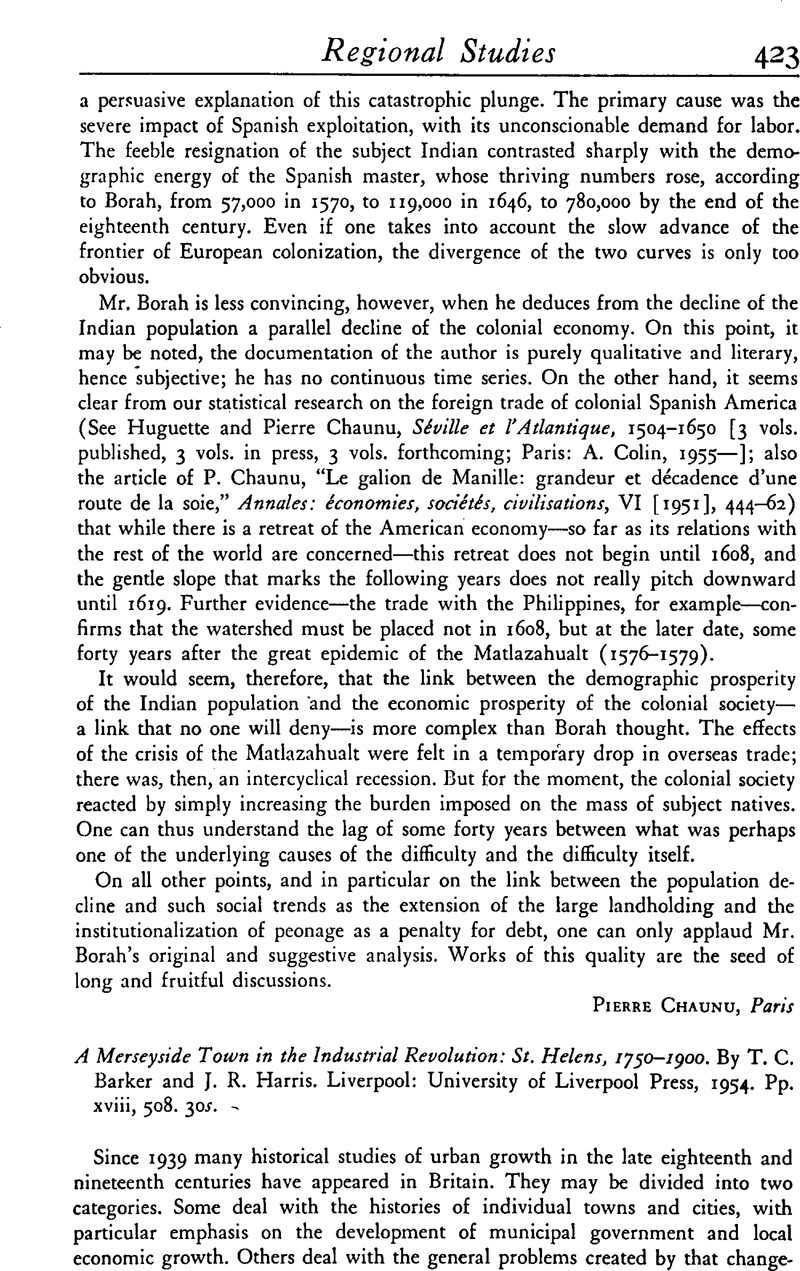
Birthplace of the industrial revolution thanks in part to its damp climate, ideal for raising sheep, britain had a long history of producing textiles like wool, linen and cotton.
During the industrial revolution, liverpool had a very big world market including a lot of cotton. The effect of railways in the industrial revolution is often exaggerated. There was virtually no industry, at least in the modern sense of the There were over 50 welsh chapels in the city. The urbanisation that accompanied the industrial revolution responsible for bringing greater numbers of people to live in towns and cities is thought to have given rise to the modern street gang. One important impact of the industrial revolution (such as the use of coal, iron, and steam) was rapid urbanization, as new and expanding industry caused villages and towns to swell, sometimes into vast cities.the port of liverpool, for example, rose from a population of a couple of thousand to many tens of thousands in the space of a century. During the industrial revolution, liverpool became the largest cotton selling city in the world. The historical context of the industrial revolution before 1760, england was a predominantly agricultural country with a relatively small population of less than 9 million. Indeed, until the 1850s railways made more from passengers than freight. From the industrial revolution to the the beatles, from its working class neighbourhood to the financial sectors, its passion for football, art and culture.liverpool is a city with its own unique style and way of life, and without a doubt lives up to its catchphrase the world in one city. To keep up with increasing demand, cotton mills sprung up across britain, especially in the north of england. Liverpool, thanks to its creation of the first wet dock, had become one of the world's leading ports. The liverpool to manchester railway provided the management blueprint for later development, creating a permanent staff and recognizing the potential of passenger travel.
Liverpool was the country's main port for raw cotton, and manchester's mills devoured as much of it as they could, sending heaps of finished textiles back to liverpool and out across the world. The industrial revolution, now also known as the first industrial revolution, was the transition to new manufacturing processes in europe and the united states, in the period from about 1760 to sometime between 1820 and 1840.this transition included going from hand production methods to machines, new chemical manufacturing and iron production processes, the increasing use of steam power and. The standard of living for the majority of the population was low. There was virtually no industry, at least in the modern sense of the Liverpool also boasted a thriving cotton.
The proposed liverpool & manchester railway was a serious economic threat to the bridgewater canal.
Industrial revolution in liverpool industrial revolution in liverpool marks an important phase in the history of liverpool. Cotton was introduced to the country in the 16th century and by the 1700s it had changed the way people dressed. One important impact of the industrial revolution (such as the use of coal, iron, and steam) was rapid urbanization, as new and expanding industry caused villages and towns to swell, sometimes into vast cities.the port of liverpool, for example, rose from a population of a couple of thousand to many tens of thousands in the space of a century. Liverpool also boasted a thriving cotton. Liverpool and manchester, reported infant mortality rates no higher than those of. From the industrial revolution to the the beatles, from its working class neighbourhood to the financial sectors, its passion for football, art and culture.liverpool is a city with its own unique style and way of life, and without a doubt lives up to its catchphrase the world in one city. The borough was founded by royal charter in 1207 by king john, was made up of only seven streets in the shape of the letter 'h'. It created wealth for many but social problems and poverty for others. The collective effort of #teamlivuni has been incredible. That was making a fortune by shipping goods between liverpool and manchester. Birthplace of the industrial revolution thanks in part to its damp climate, ideal for raising sheep, britain had a long history of producing textiles like wool, linen and cotton. Manchester was the largest industrial town in the world, and merchants needed to transport lots of cotton and finished cloth. The standard of living for the majority of the population was low.
These cities were not prepared for such an influx in such a short period of time and cities such as birmingham, liverpool, manchester etc. Liverpool helped to create the infrastructure for the first industrial revolution, with its port, roads and railways at the epicentre of international trade. The industrial revolution, now also known as the first industrial revolution, was the transition to new manufacturing processes in europe and the united states, in the period from about 1760 to sometime between 1820 and 1840.this transition included going from hand production methods to machines, new chemical manufacturing and iron production processes, the increasing use of steam power and. Industrial revolution in liverpool industrial revolution in liverpool marks an important phase in the history of liverpool. Cotton was introduced to the country in the 16th century and by the 1700s it had changed the way people dressed.

Because of this its population grew quite rapidly from 6,000 to over 80,000.
There was virtually no industry, at least in the modern sense of the Birthplace of the industrial revolution thanks in part to its damp climate, ideal for raising sheep, britain had a long history of producing textiles like wool, linen and cotton. Liverpool helped to create the infrastructure for the first industrial revolution, with its port, roads and railways at the epicentre of international trade. Because of this its population grew quite rapidly from 6,000 to over 80,000. The industrial revolution, now also known as the first industrial revolution, was the transition to new manufacturing processes in europe and the united states, in the period from about 1760 to sometime between 1820 and 1840.this transition included going from hand production methods to machines, new chemical manufacturing and iron production processes, the increasing use of steam power and. No one could have foreseen the events that overtook our lives in 2020. The effect of railways in the industrial revolution is often exaggerated. Indeed, until the 1850s railways made more from passengers than freight. From the industrial revolution to the the beatles, from its working class neighbourhood to the financial sectors, its passion for football, art and culture.liverpool is a city with its own unique style and way of life, and without a doubt lives up to its catchphrase the world in one city. During the industrial revolution, the city was expanded. The development of the city was also related to the production of raw materials like cotton and coal, freight, and cargo. Liverpool, thanks to its creation of the first wet dock, had become one of the world's leading ports. These cities needed cheap homes as the industrial revolution continued to grow.


Komentar
Posting Komentar